


The Future is Sound
by Threads Editorial
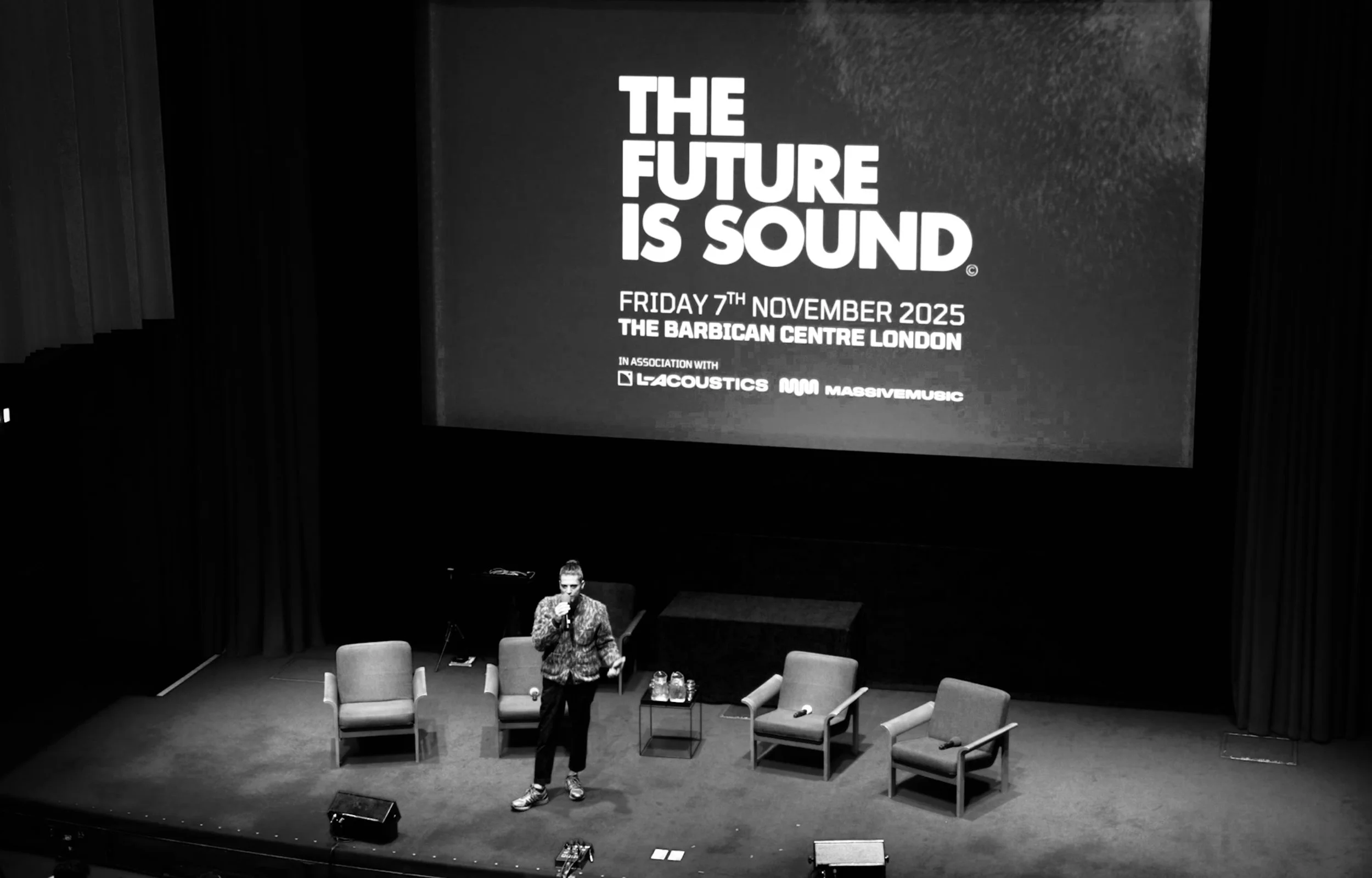
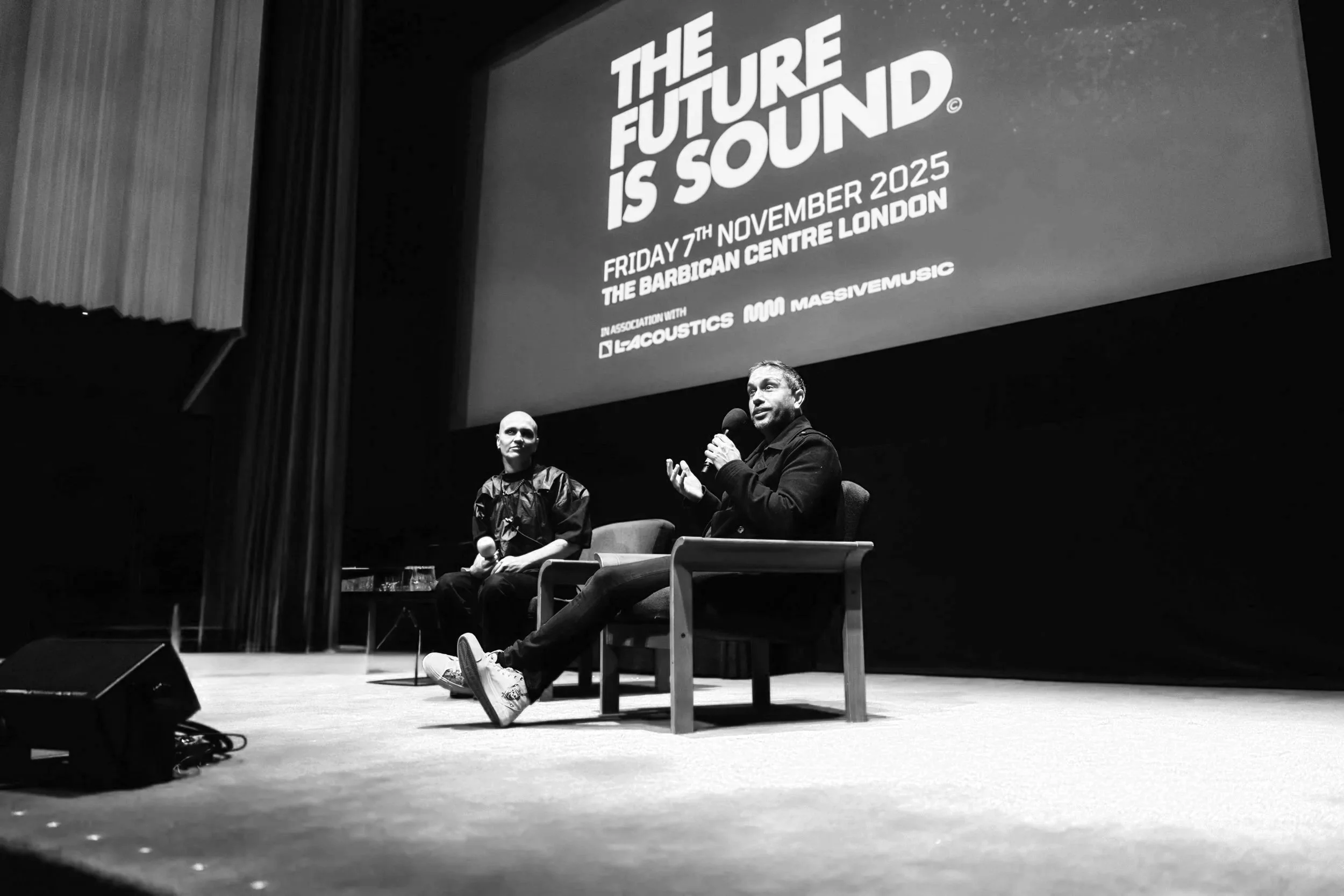
Since its inception in 2019, The Future is Sound has evolved from an exploration of niche themes centred around listening and experimentation, to a growing community rooted in the ever-evolving cultural ecosystems in London and beyond. Jimmy Kyriacou, founder of TFS, initially started the conference to bridge the gap between how we talk about music and sound, gradually shifting the focus to why music matters to us as humans and communities over the usual trends and outcomes forecasts found at other industry events.
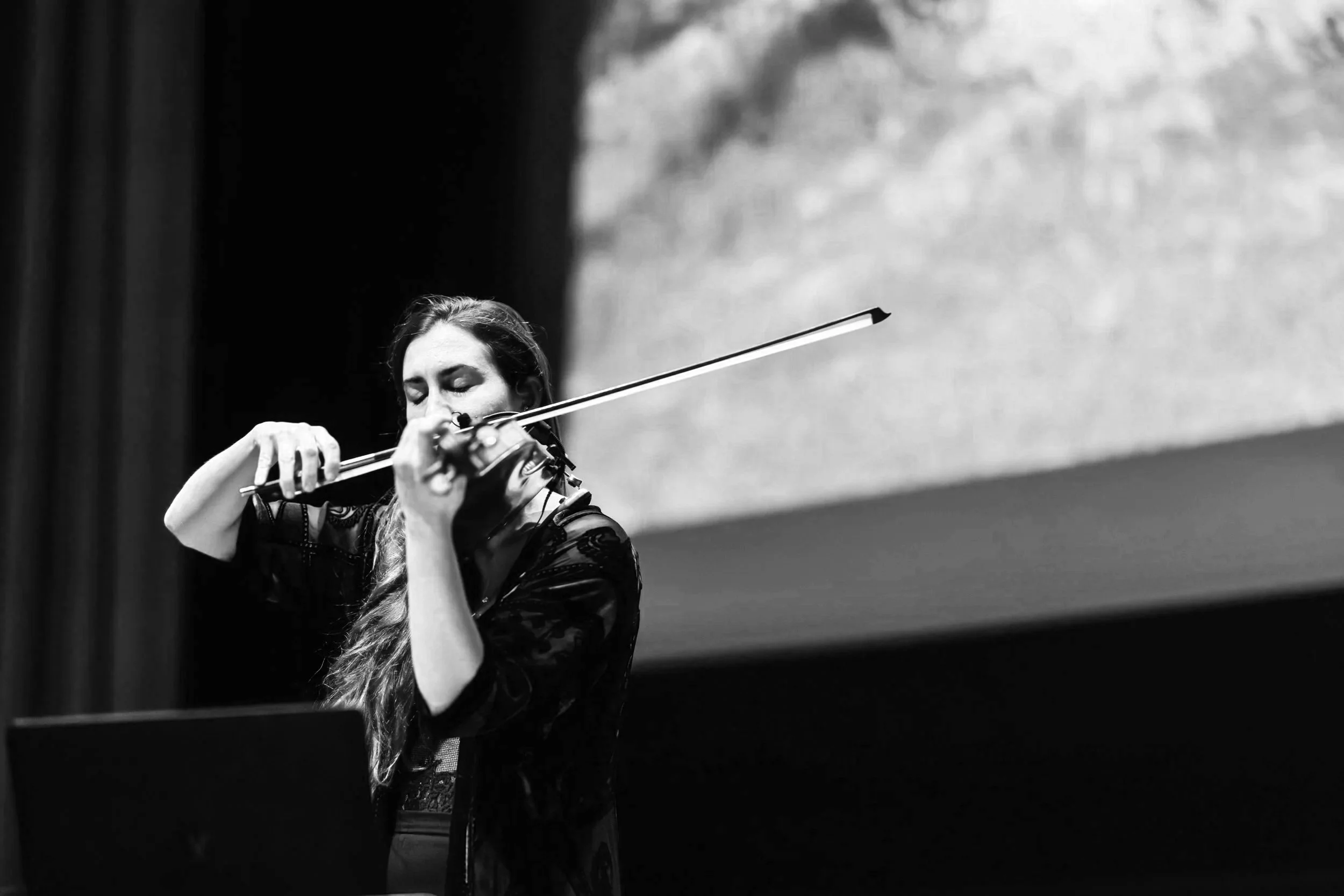
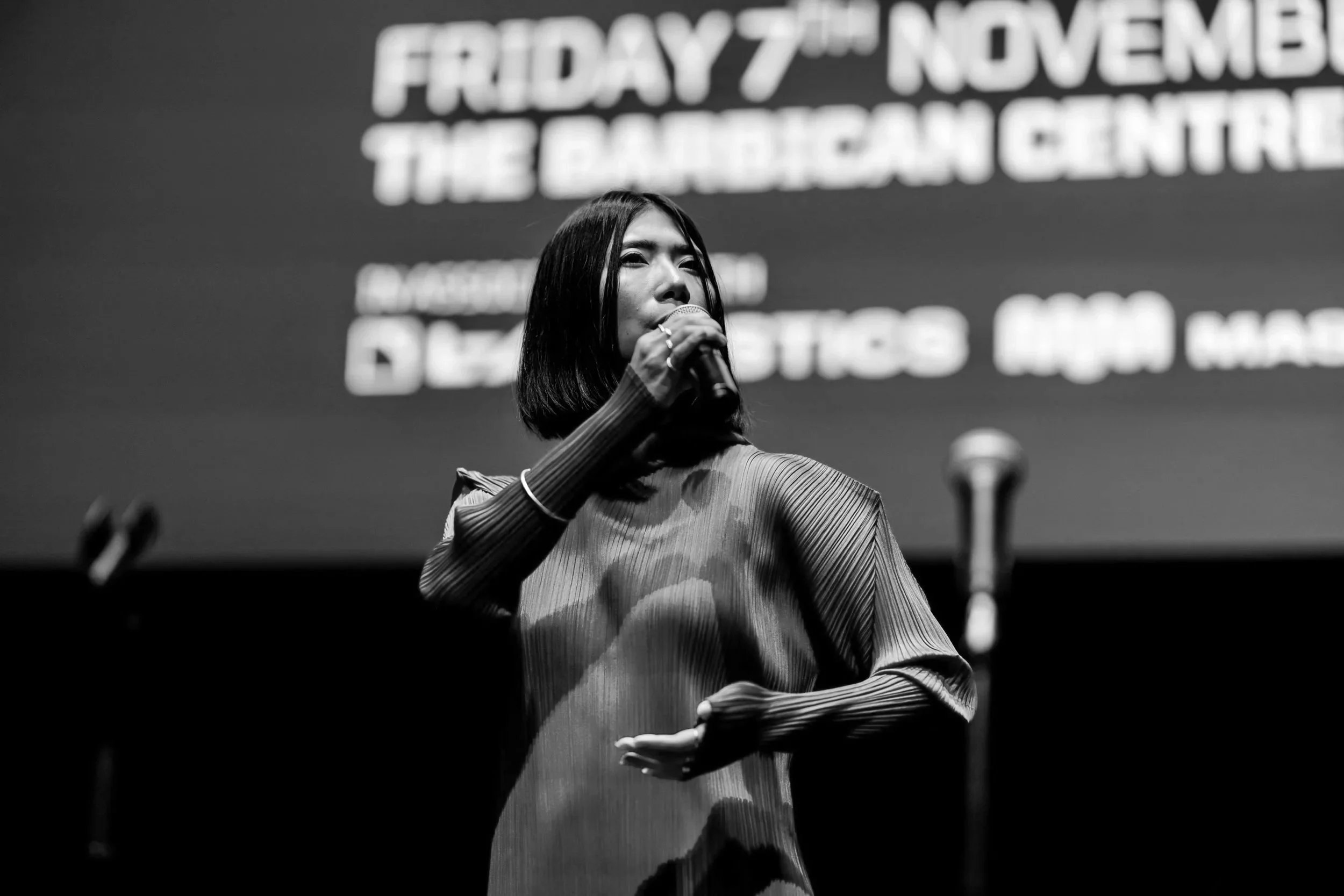
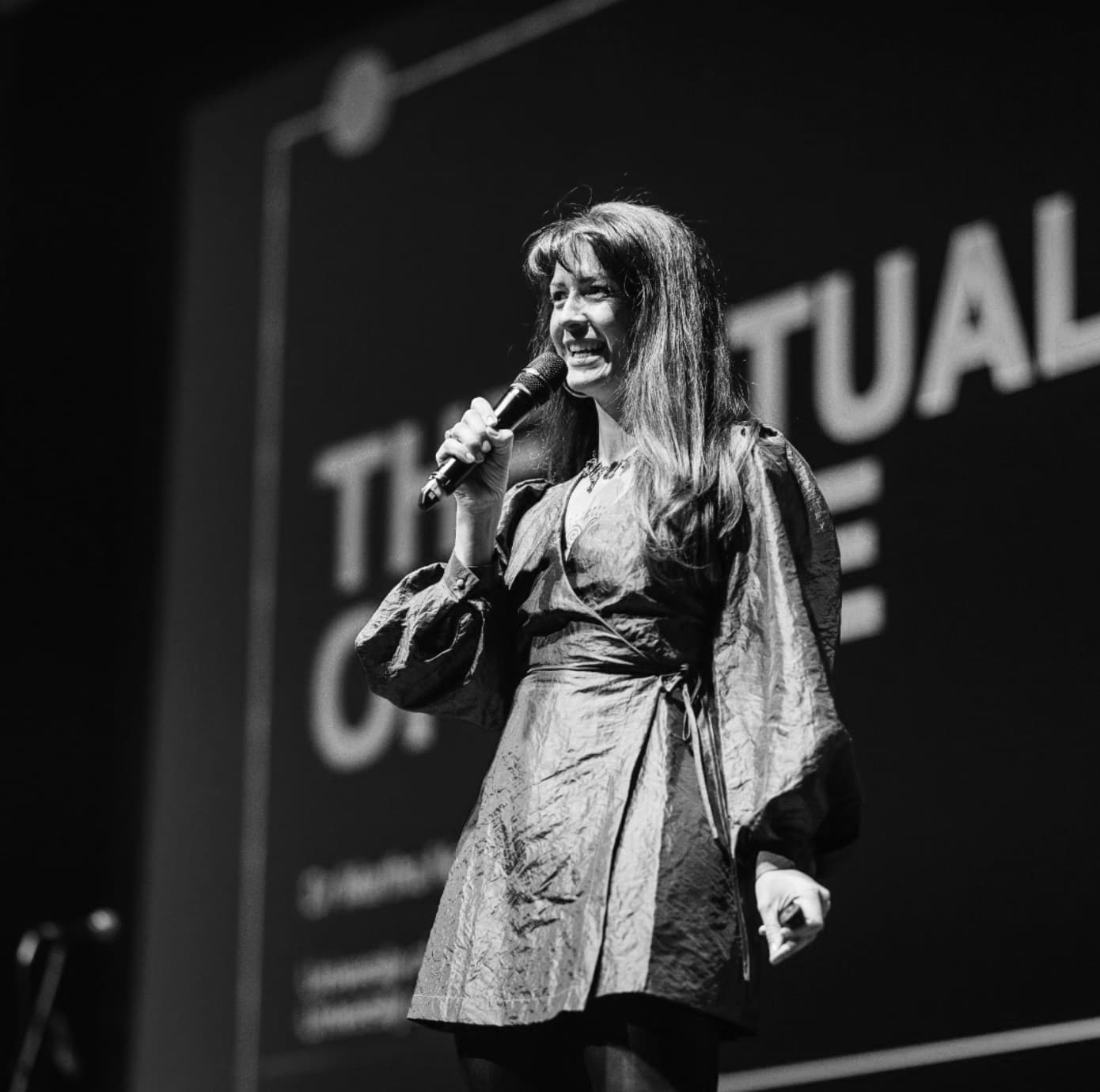
For their last edition, TFS curated a stellar lineup of panels, short films and live shows, with standouts including Kate Simko and Halina Rice’s showcase of electronic, spatial and classic elements; Kate Fleur Young, Sam Lee and Ilā’s conversation around sound as a communal, ritualistic experience, as well as talks around the current state of music organisations as a way to re-shift power, including Keri Perkin’s vital work with Bridges For Music. Another highlight was the screening of Zak Norman, BICEP and Charlie Miller’s immersive film TAKKUUK, exploring themes of climate change, indigenous Arctic voices and cultural erosion.
In a cultural climate that can seem increasingly bleak, TFS presented a re-invigorated testimony that there are people working hard to bring creative projects to life within their communities. The upcoming edition will be happening from 09 - 12 October at different iconic London venues like the Barbican, EartH Theatre and Ladbroke Hall, amongst other spaces, with tickets already on sale here. I caught up with Jimmy Kyriacou about the history of TFS, the 2025 edition, community, and the role of AI in modern curation.
Question: Why did you start The Future is Sound, and how has it evolved since its first edition?
JK
I really believe music and sound is one of the most powerful and natural technologies on the planet, because it doesn’t just move culture, it moves people. And when people move, everything else follows.
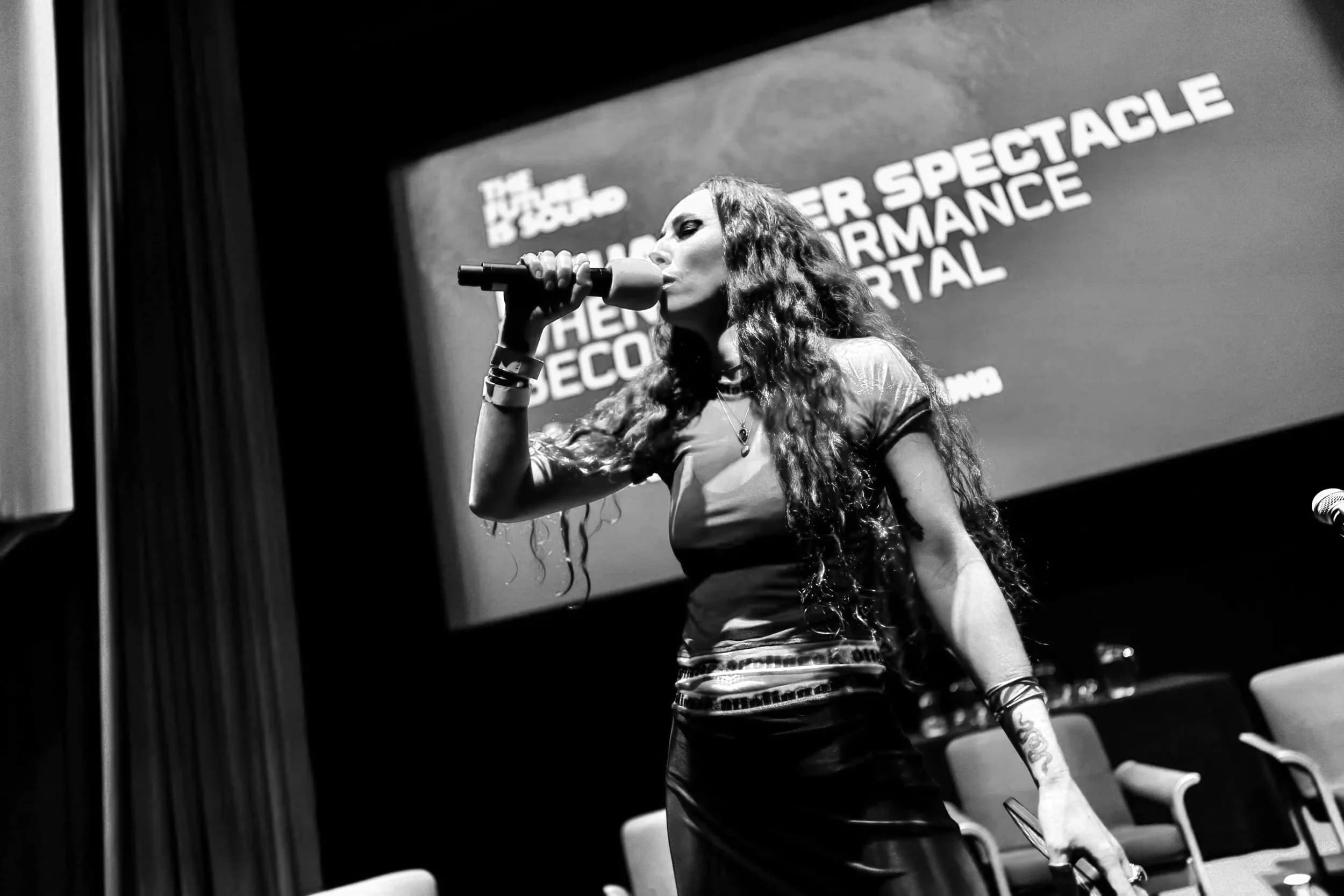
An immersive conversation about how sound, not just performance, can shift consciousness, open connection, and turn live experience into something ritualistic and shared. This conversation explores what happens when sound becomes more than performance - when it opens a shared space between artist and audience.
Why did you start The Future is Sound, and how has it evolved since its first edition?
I really believe music and sound is one of the most powerful and natural technologies on the planet, because it doesn’t just move culture, it moves people. And when people move, everything else follows.
I started THE FUTURE IS SOUND because I felt there was a real gap in how we talk about and how we explore music and sound. So many conferences focus on trends, technology, or industry outcomes, but far less attention is given to why music matters to us as humans and as communities.
From the beginning in 2019, I didn’t want to create another traditional conference. The early editions were more exploratory and niche, centred on listening, conversation, and experimentation. Over time, the vision has become clearer and more confident. THE FUTURE IS SOUND 2025 felt like a moment where it really matured, becoming even more rooted in community and cultural ecosystems than ever before.
This year the programme had a deep focus on communities and how they are evolving within music and the creative industries - how was your approach to the programme curation for 2025?
For THE FUTURE IS SOUND 2025, the aim was to bring a very wide range of voices into the same space in a meaningful way. The programme spanned the music industry, grassroots culture, wellbeing, technology, and social impact, without placing one perspective above another.
I wanted the day to feel like a journey, starting with sound as a personal experience and gradually widening out to explore its role within communities, cities like London, and the wider creative global ecosystem. I’m drawn to people who work between disciplines and build bridges, and that instinct shaped the curation throughout.
How would you like the event to evolve in future editions?
Growth is about scale with integrity. It’s not about doing more for the sake of it, but about strengthening the ecosystem around sound, culture, and community, and creating better conditions for deeper connection and exchange.
THE FUTURE IS SOUND will grow. In 2026, it will expand into a multi-day experience, allowing more time for ideas, relationships, and collaborations to develop naturally.
With the evolution of AI and the discourse around its role in music and the world, how do you view the role of the human curator in this current age?
AI is powerful, but it doesn’t understand context, values, or consequence. That’s where human curation still really matters.
For me, curation is about judgement and responsibility. It’s about deciding what deserves attention, what needs protecting, and what conversations are missing. In a world of endless content, human curators help create clarity and meaning, rather than leaving culture entirely to algorithms.
What was your standout moment of the conference?
It wasn’t a single moment, it was the shift across the whole summit. Watching people from very different backgrounds, artists, industry figures, wellbeing practitioners, and first-time attendees, start to connect around shared values was incredibly powerful.
That sense of openness and connection felt like the real success of THE FUTURE IS SOUND 2025.I keep coming back to one question: if sound can change how we feel, how we relate to each other, and how we see the world, what kind of future are we choosing to create with it?
Back to home.